Three honest tiers of evidence
Every product page labels the study type and population behind each cited claim, and that per-page label is the authoritative record for any given compound. Read across the catalog, those citations sort into three broad depths of research. The examples below are illustrative, not a complete ranking of every compound, but knowing which depth a compound sits in is the single most useful thing when you read the field. This is a map of published research profiles, not a ranking of what anything does for a person.
Tier 1 — human clinical-trial data. There is randomized or controlled human research on the compound itself. Tier 2 — mechanism characterized, human evidence thin or preclinical only. The pathway is described in animal or in-vitro work, sometimes with a precursor or topical form studied in people, but the compound's own human trial evidence is limited. Tier 3 — intriguing but essentially unproven in humans. The mechanism is interesting and the preclinical signal exists, but there is little independent replication and no meaningful human data.
Where some of the catalog's compounds fall
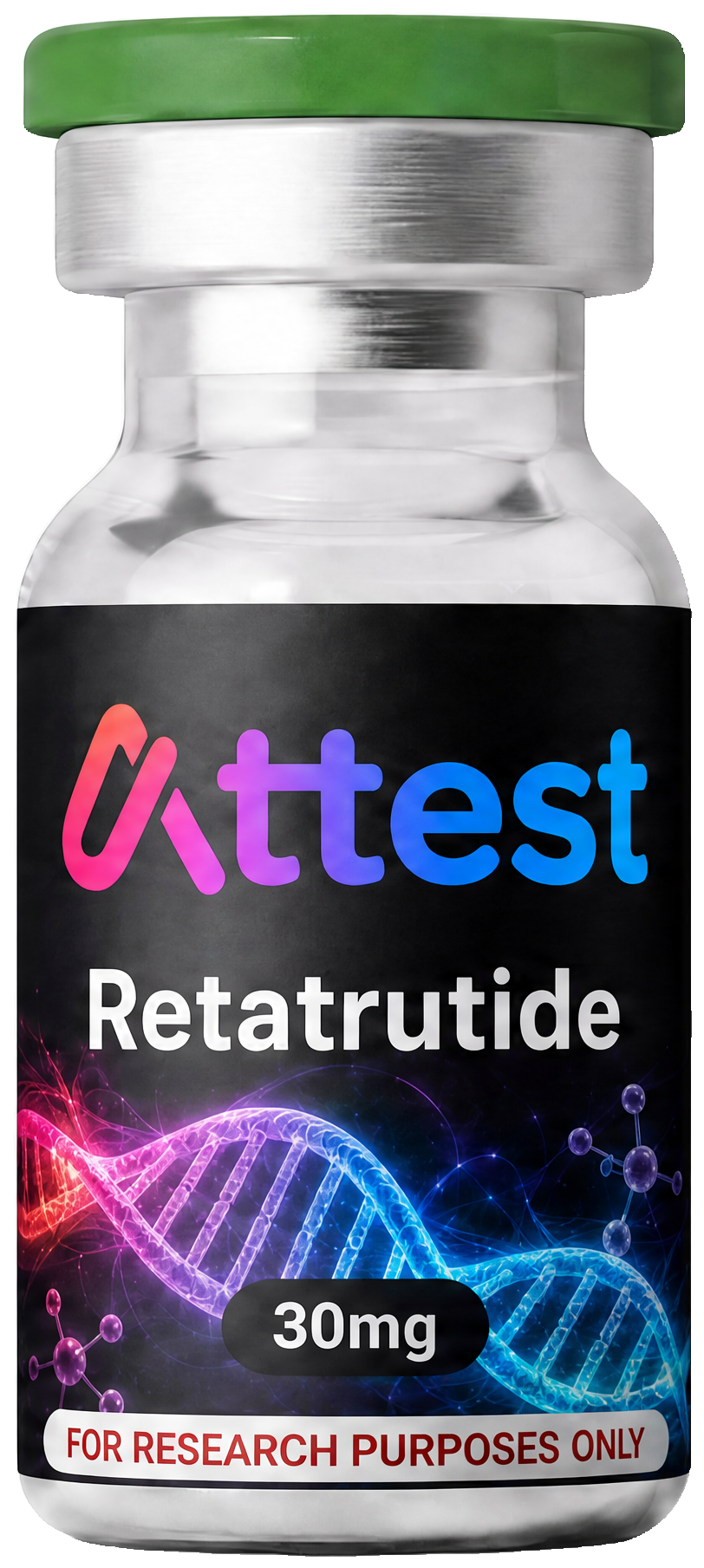
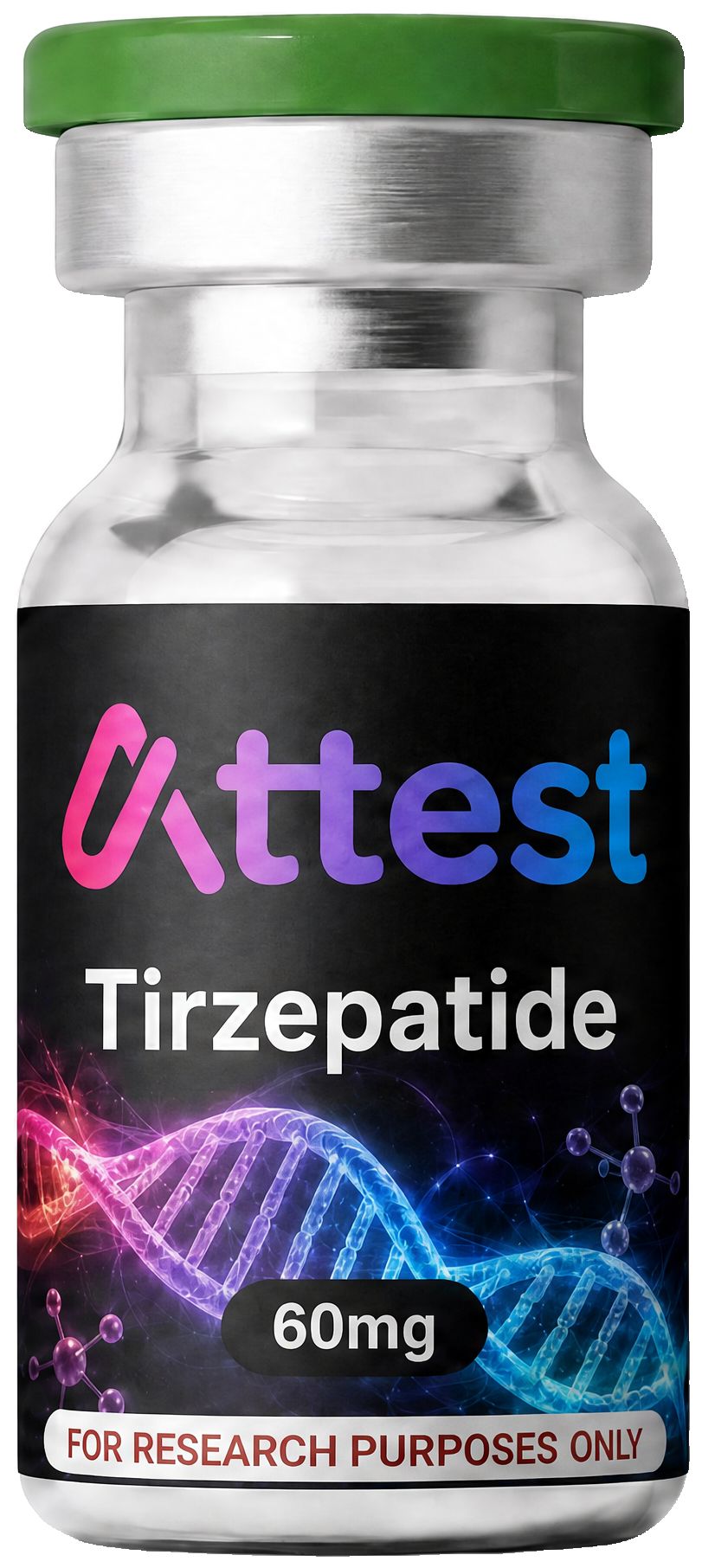
Tier 1 (human trial data): the incretin agonists semaglutide and tirzepatide carry large phase-3 programs, retatrutide has phase-2 human data, and tesamorelin has phase-3 human trials behind its approved indication. Their product pages cite human-population studies directly.
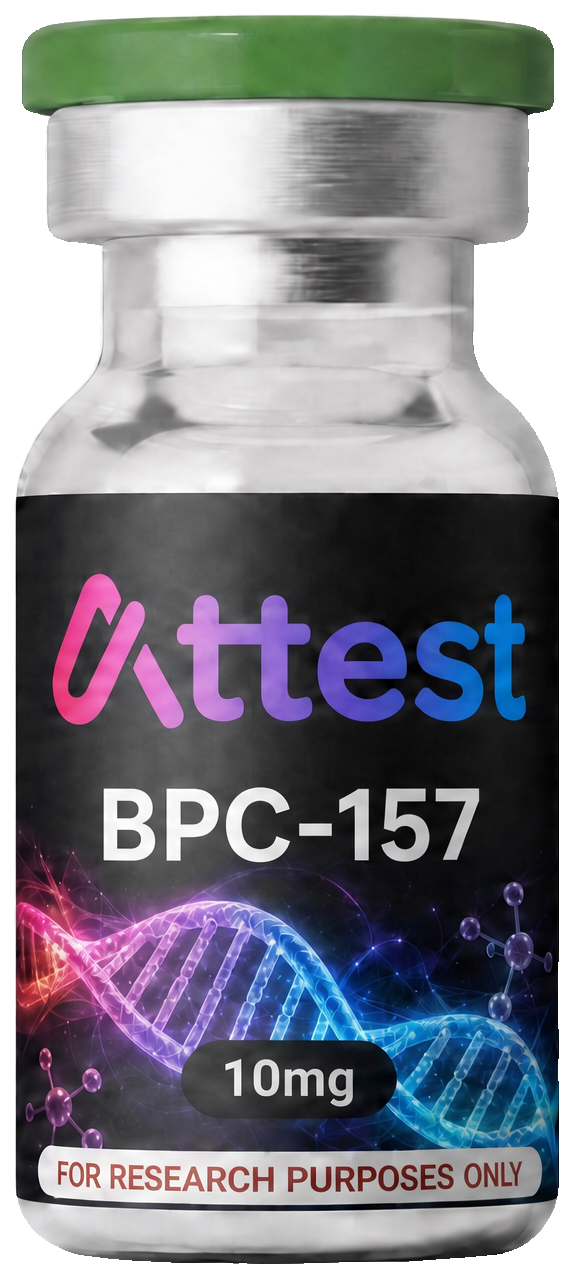
Tier 2 (mechanism characterized, human evidence thin or preclinical): the tissue-repair peptides BPC-157 and TB-500, the topical-versus-systemic case of GHK-Cu, the mitochondrial-derived MOTS-c, and the ghrelin-receptor secretagogue ipamorelin sit here, with literatures that are largely animal or in-vitro. The GH-axis line is mixed, so read each page rather than the class: sermorelin and CJC-1295, for example, do carry small human trials and sit closer to Tier 1, while ipamorelin's cited evidence is preclinical. Product pages label the study type and add a thin-evidence note where the data is limited.
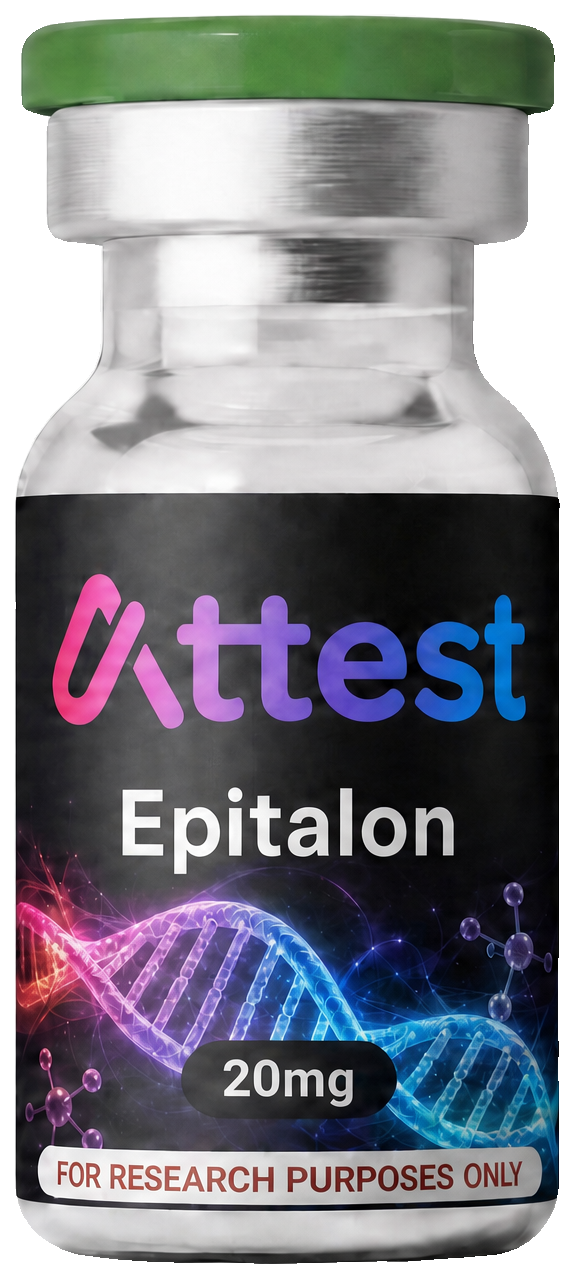
Tier 3 (intriguing, largely unproven in humans): compounds like epitalon, where the evidence comes mostly from the originating research group with limited independent replication. The mechanism is worth understanding; the human evidence is not there yet.
Why we publish it this way
The point of this map is the opposite of hype. A compound with a strong preclinical mechanism is not the same as a compound with human evidence, and the two should never be blurred. Each product page states the study type and population for its own citations so the depth of evidence is never overstated, and this guide simply lets you see that depth across the whole catalog at once.