The math, not the dose
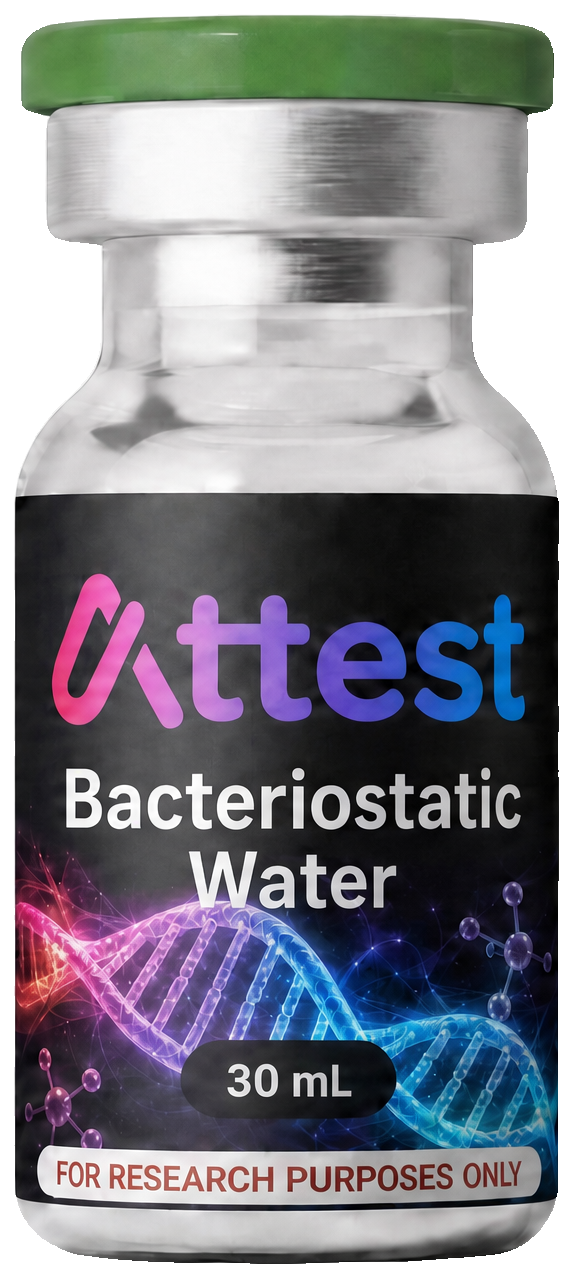
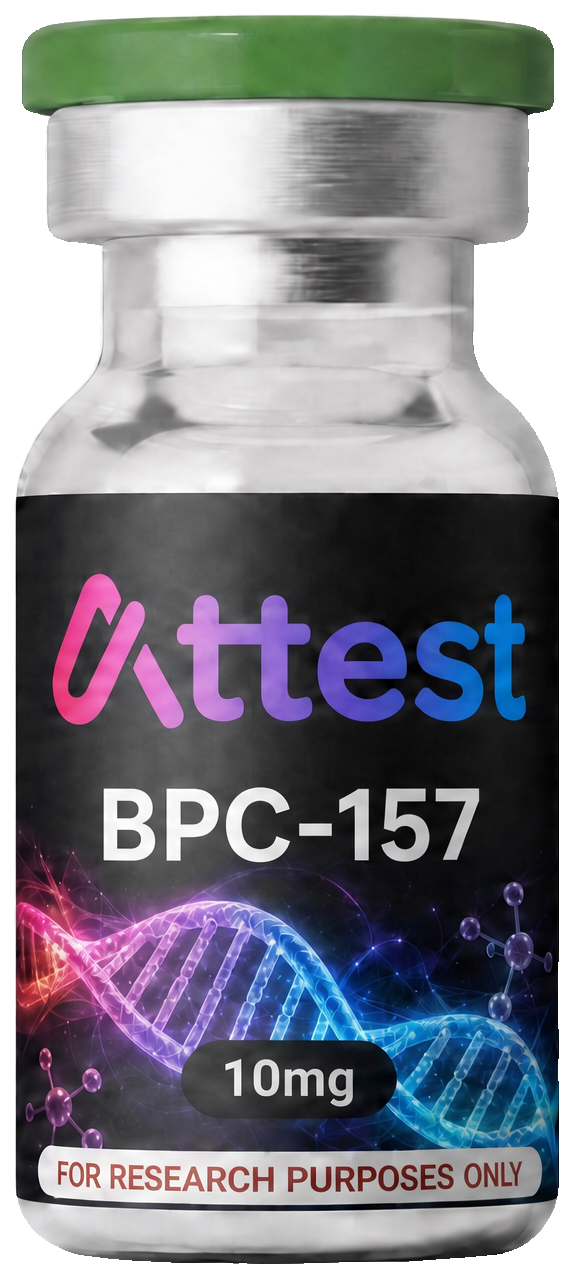
Reconstitution is arithmetic: if you add Y mL of bacteriostatic water to a vial containing X mg of peptide, the resulting concentration is X ÷ Y mg/mL. That's the whole idea. This guide and the calculator describe concentration only, never how much to use.
Example: 10 mg of peptide plus 2 mL of bacteriostatic water gives 5 mg/mL. The reconstitution calculator does this for any vial and volume.
Handling steps
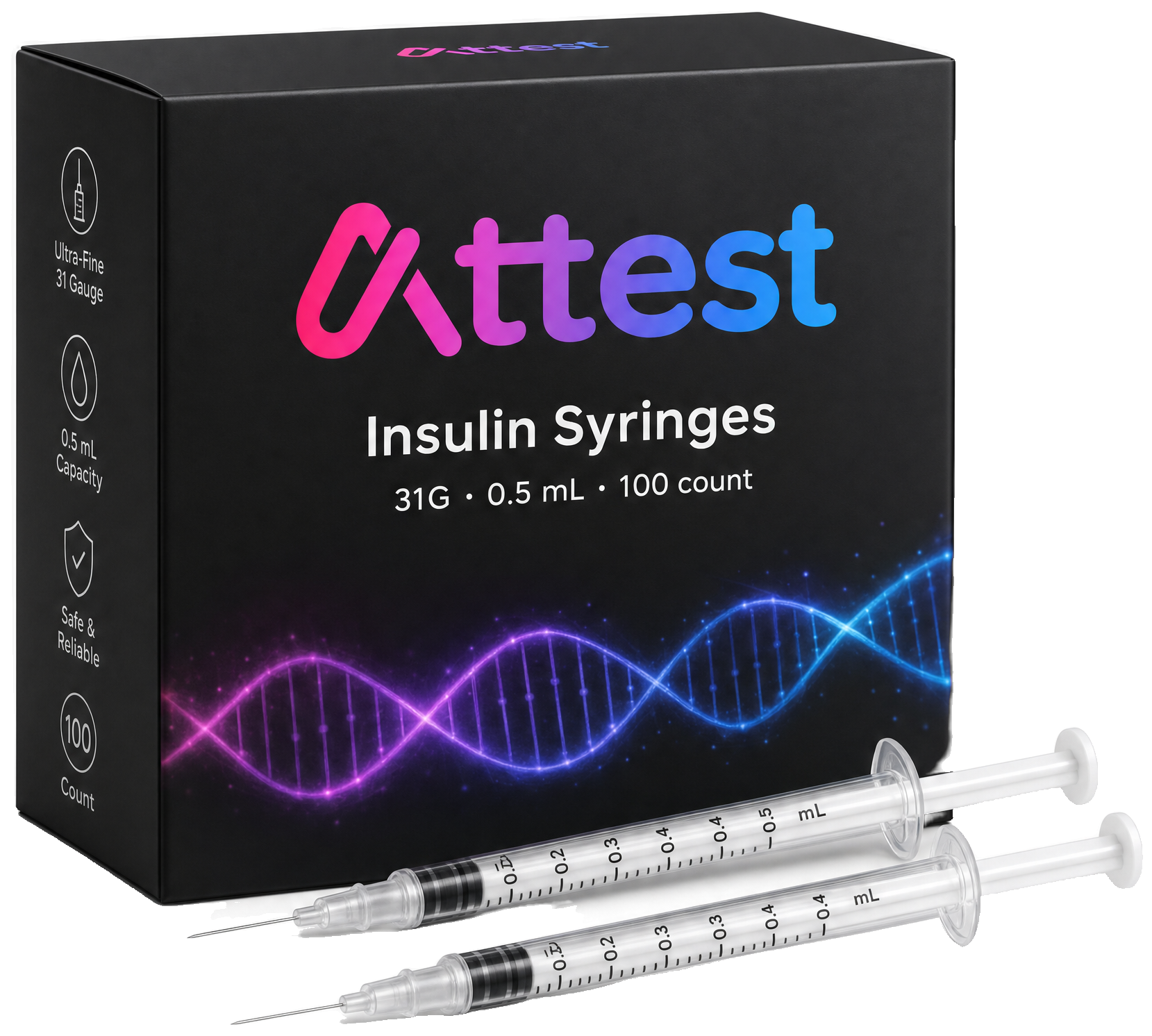
Wipe the vial stopper with an alcohol prep pad. Draw bacteriostatic water with an insulin syringe and let it run slowly down the inside wall of the vial rather than blasting the powder. Swirl gently; do not shake. Peptides are delicate and vigorous agitation can degrade them.
Storage
Keep unopened lyophilized vials frozen (typically -20°C) for long-term storage. Once reconstituted, refrigerate at 2–8°C and use within the window shown in each compound's storage table; some peptides (VIP, NAD+, glutathione) are far less stable in solution than others.